Renovation or demolition
Painted or coated surfaces will be cut, sanded, removed, opened, or otherwise disturbed.
Controlled lead services for residential, commercial, multifamily, restoration, and renovation projects. Safe Abate defines the work area, protects unaffected spaces, performs the approved scope, and documents the project for a clear handoff.
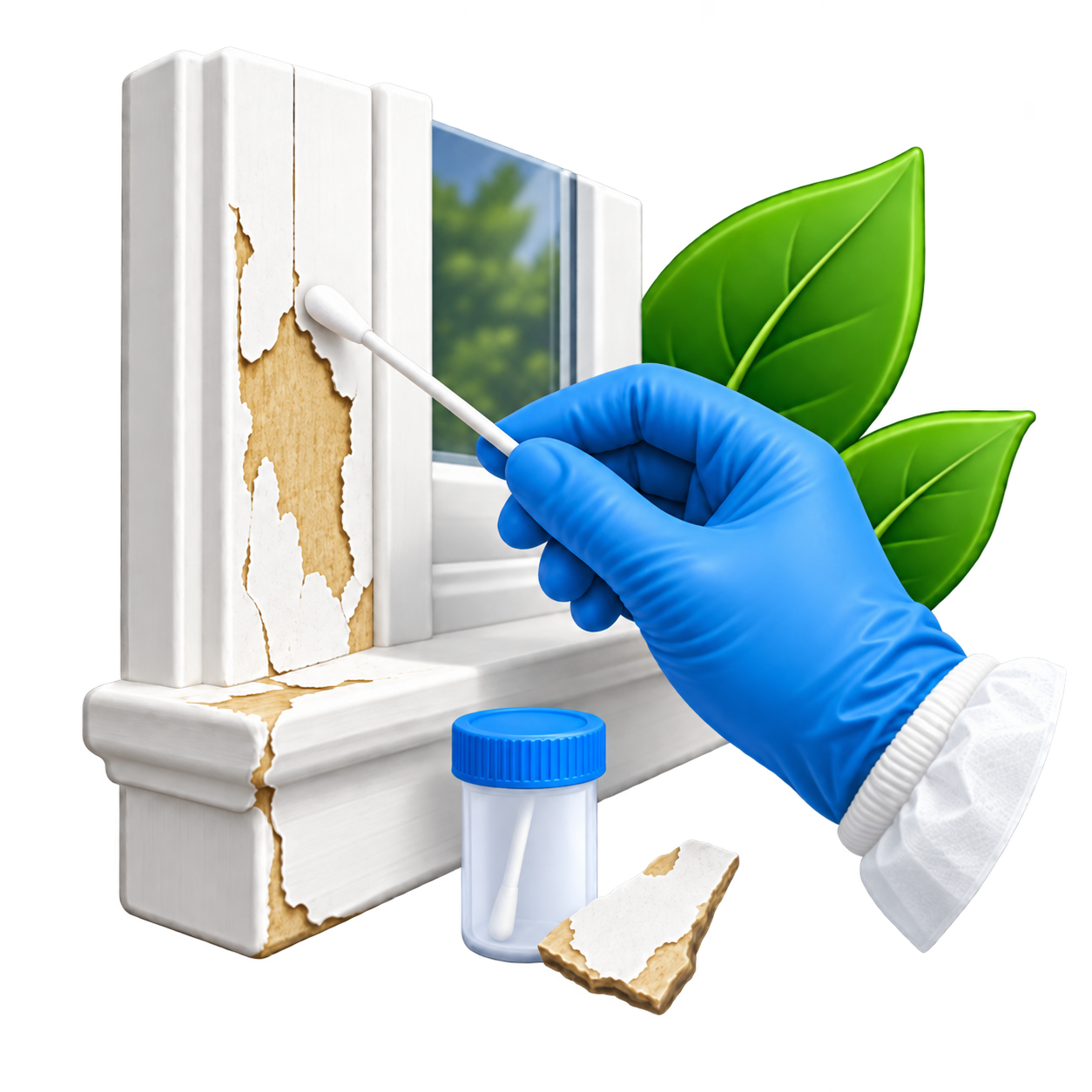
Lead-containing paint and coatings can become a concern when they deteriorate or when renovation, restoration, or demolition work will disturb them. A clear scope helps protect occupants, workers, and unaffected areas before work begins.
Painted or coated surfaces will be cut, sanded, removed, opened, or otherwise disturbed.
Pre-1978 housing and older multifamily buildings may contain lead-based coatings.
Peeling, chipping, friction, impact, or water-damaged coatings require careful project planning.
Water, fire, impact, or insurance-related work may expose painted building components.
Do not rely on appearance alone: The age or condition of a coating can make it suspect, but testing or reliable records are needed to determine whether lead is present.
The appropriate work method depends on the surface, condition, location, planned disturbance, and project requirements. Safe Abate builds the scope around the actual components involved.
Only materials and areas included in the approved scope are disturbed. Additional suspect coatings should be evaluated before the work area expands.
Every project is planned around the property, affected components, occupants, and the work that must happen next.
We review known testing or records, affected components, planned work, access, and project goals.
The approved method, work area, protection measures, scheduling, and project coordination are defined.
Containment, floor and surface protection, restricted access, and dust controls are established.
Certified personnel complete the approved removal, component handling, or stabilization work.
The area receives detailed HEPA cleaning and is prepared for required review or verification.
Completion information and project documentation are organized for the owner and next trade.
Lead-safe work requires controlling dust and debris throughout the job—not only cleaning at the end. The protection plan is matched to the surface, work method, and surrounding environment.
Barriers, protective coverings, and controlled entry help separate the work area from occupants and unaffected spaces.
Project-appropriate methods and HEPA-equipped tools help reduce airborne dust during surface disturbance.
Certified personnel use protective clothing, gloves, and respiratory protection suited to the work and site conditions.
Work surfaces, ledges, floors, and surrounding areas within the scope receive a deliberate final cleaning process.
Owners, contractors, restoration teams, and property managers need to understand what work was completed and which areas were included. We keep the project organized from the approved scope through final handoff.
The correct approach depends on coating condition, the planned project, and future disturbance. We explain the approved method before work begins and coordinate completion with the work that follows.
Discuss Your Lead ProjectWe mobilize for residential, commercial, multifamily, restoration, and larger lead-related projects throughout Washington.
These are the questions property owners and project teams commonly ask before lead-related work begins.
Lead should be considered before disturbing painted or coated surfaces, especially in homes and child-occupied facilities built before 1978. Renovation, demolition, restoration, window replacement, sanding, and surface preparation can create hazardous lead dust. Worker-protection requirements may also apply whenever construction activities could expose employees to lead, regardless of the building’s age.
Yes. Lead-based paint was commonly used in older housing before federal residential restrictions took effect in 1978. The age of a property can make coatings suspect, but testing or reliable records are needed to determine whether lead is present.
Ordinary paint should not be treated as a permanent solution for deteriorated lead-based paint. Proper stabilization may be appropriate when the underlying surface is sound and loose or damaged coating is addressed using lead-safe methods. Friction surfaces, impact surfaces, water-damaged areas, and surfaces scheduled for future disturbance may require a different control or removal method.
Lead removal physically eliminates the affected coating or building component within the approved scope. Stabilization is an interim control that repairs the underlying surface, addresses loose or deteriorated paint using lead-safe practices, and applies a protective coating. The proper method depends on the property, material condition, project purpose, and applicable requirements.
That depends on the scope, work location, occupants, and whether the work area can be effectively isolated. Occupants and unauthorized individuals must remain outside the controlled work area. Reentry occurs after required cleaning, cleaning verification, or clearance procedures have been completed for the type of project involved.
Lead dust is controlled through restricted work areas, protective coverings, dust-minimizing methods, HEPA-equipped tools and vacuums, and detailed cleaning. Certain high-dust practices are prohibited or restricted, and dry sweeping should not be used when HEPA vacuuming or wet-cleaning methods are feasible. The required controls depend on the work and potential employee exposure.
Yes. Safe Abate works with property owners, contractors, restoration companies, property managers, and insurance-related teams so lead-safe work supports the larger project schedule.
Yes. Safe Abate is based in Yakima and serves residential, commercial, multifamily, and restoration projects throughout Washington State. Scheduling depends on location, scope, and urgency.
Tell us about the property and what you need. Our team will help you identify the right next step.